
Eco-Friendly Style: The Magic of Upcycled Fashion

In the rapidly evolving world of fashion, a new trend has emerged that is transforming how we think about clothing and sustainability: upcycled fashion.
This eco-friendly movement is not just about reducing waste, but also about creativity, innovation, and redefining what it means to be stylish.
But what is upcycled fashion, and why is it getting so popular? Let’s take a closer look at this interesting topic.
Understanding Upcycled Fashion
Upcycled fashion involves taking old, unwanted, or discarded materials and transforming them into new, fashionable items. Unlike recycling, which breaks down materials to create something new, upcycling maintains the original form but repurposes it creatively.
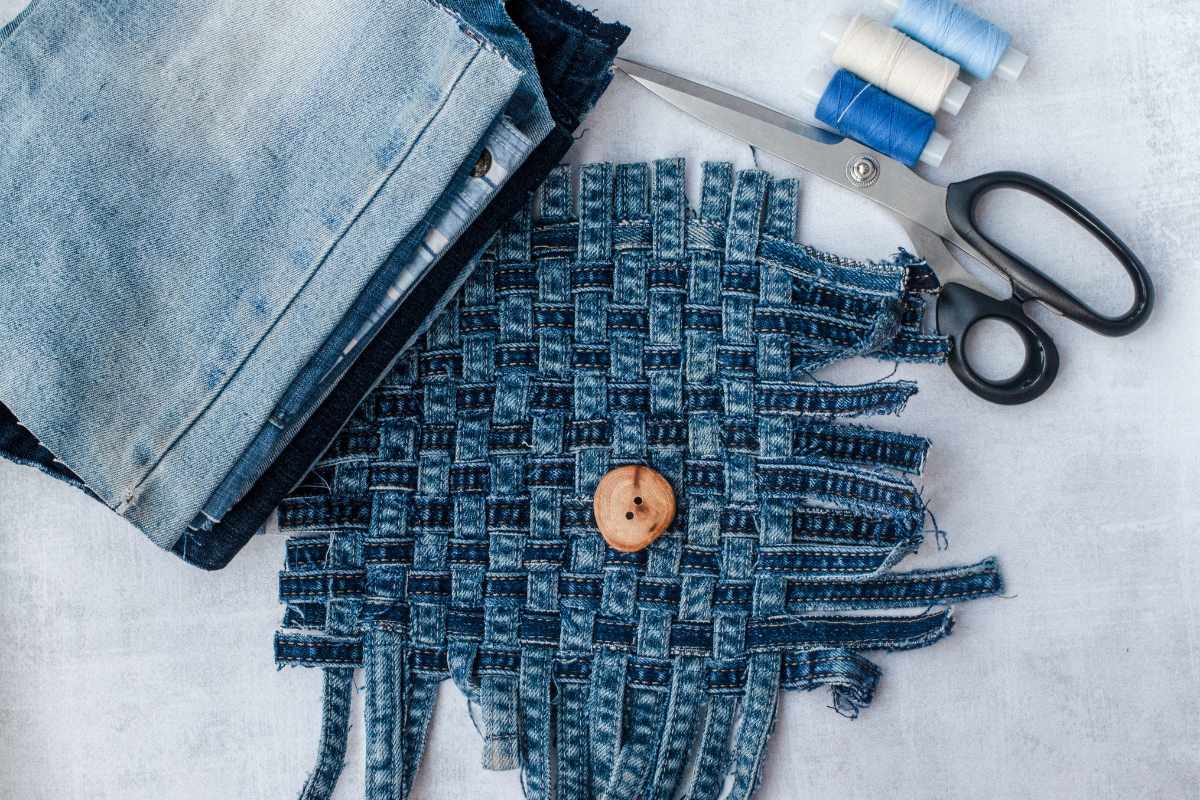
This process not only reduces waste but also saves energy and resources that would otherwise be used in the production of new materials. For example, an old pair of jeans might be transformed into a chic handbag, or a worn-out sweater could become a trendy scarf.

The Environmental Impact
One of the most significant benefits of upcycled fashion is its positive impact on the environment. The fashion industry is notorious for its wastefulness, with vast amounts of textiles ending up in landfills each year. By upcycling, we can significantly reduce this waste.
Additionally, upcycling requires fewer resources compared to traditional manufacturing processes. There is no need for dyes, chemicals, or extensive energy consumption, making it a much greener alternative.
Economic Benefits
Upcycled fashion is not only good for the planet but also the economy. By creating new products from old materials, we can reduce the demand for new resources, which can lower production costs.
Related reading: What is The Difference Between Thrifting & Upcycling Clothes?
This can be particularly beneficial for small businesses and independent designers who might not have the budget for large-scale production.
Moreover, upcycled fashion often results in unique, one-of-a-kind pieces that can command higher prices in the market. Consumers are increasingly willing to pay a premium for items that are both stylish and sustainable.
Encouraging Creativity and Innovation
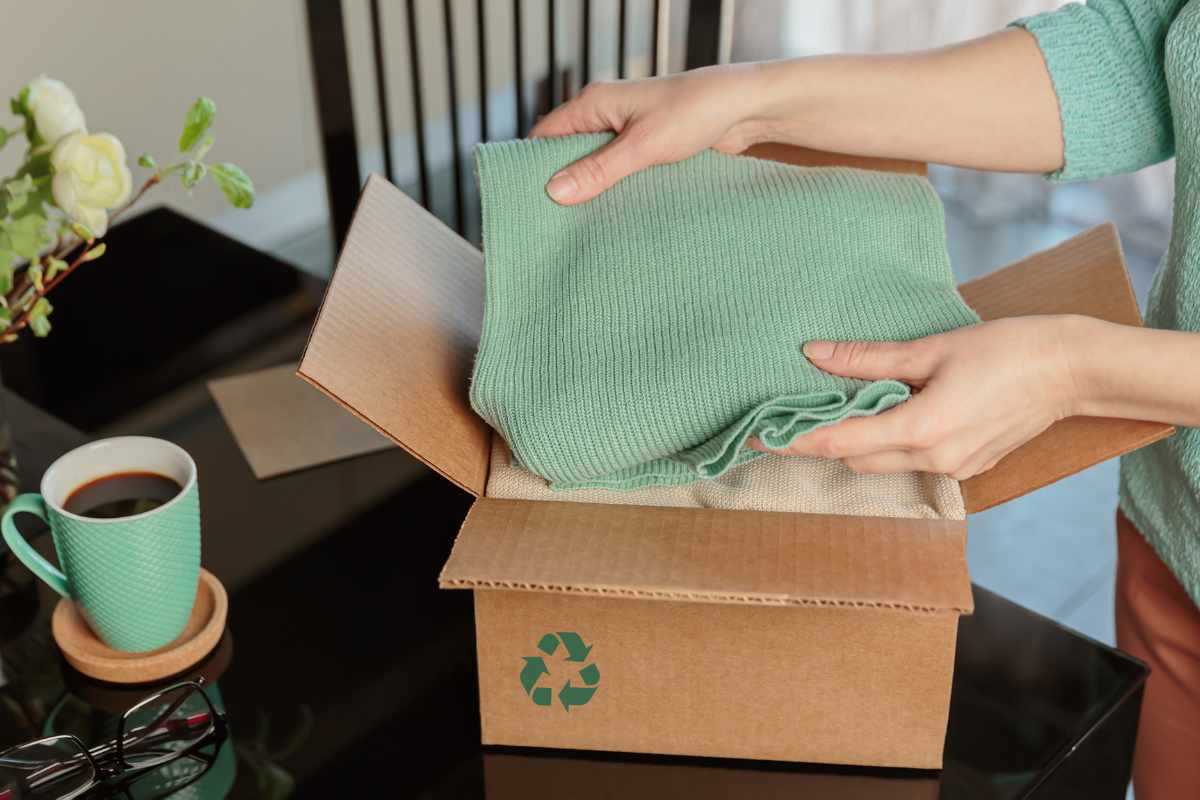
Upcycled fashion is a hotbed of creativity and innovation. Designers must think outside the box to find new uses for old materials, resulting in some truly unique and imaginative pieces.
This creative process can lead to the development of new techniques and methods that can be applied in other areas of design and manufacturing. It also allows for greater personalization, as individuals can upcycle their clothing to reflect their style and preferences.
Promoting Ethical Consumption
The rise of upcycled fashion is closely linked to a broader movement towards ethical consumption. Consumers are becoming more aware of the impact their choices have on the environment and society, and are seeking out products that align with their values.
Upcycled fashion meets this demand by offering a more sustainable and ethical alternative to fast fashion. By choosing upcycled items, consumers can feel good knowing they are supporting a more responsible and conscientious approach to fashion.

Challenges and Considerations
While upcycled fashion offers many benefits, it is not without its challenges. One of the main obstacles is sourcing suitable materials. Designers need access to high-quality, discarded items to create their upcycled pieces. This can sometimes be difficult, especially on a larger scale.
Related reading:What is The Difference Between Thrifting & Upcycling Clothes? The Environmental Impact of Recycled Fabric Art: Why It Matters
Additionally, there can be a perception that upcycled fashion is less desirable or lower quality compared to new items. Overcoming these misconceptions is crucial for the continued growth and acceptance of the movement.
The Role of Technology
Advancements in technology are playing a significant role in the upcycled fashion movement. Tools such as digital design software, 3D printing, and innovative sewing techniques are making it easier to transform old materials into new creations.
Technology also enables better tracking and management of discarded materials, ensuring they are effectively utilized. As technology continues to evolve, it will likely open up even more possibilities for upcycled fashion.
Getting Started with Upcycling
For those interested in trying their hand at upcycled fashion, the good news is that it’s relatively easy to get started. Begin by looking through your wardrobe for items that are no longer worn or need repair. Think about how these pieces could be transformed or repurposed.
You’ll find plenty of online resources, tutorials, and communities about upcycling that offer ideas and help. Skilled at sewing or a total beginner, upcycling is a satisfying, sustainable way to refresh your wardrobe.
The Future of This Trend
The future of upcycled fashion looks promising as more people become aware of its benefits. As consumer demand for sustainable products grows, more brands and designers will likely incorporate upcycling into their practices. This shift could lead to a more sustainable fashion industry overall, with less waste and a greater focus on creativity and resourcefulness.
To sum up, upcycled fashion is more than a passing trend. It’s a real change in how we think about clothes and sustainability. When we turn old materials into new, stylish pieces, we cut waste, save resources, and support a more ethical and creative kind of fashion.
Designer, shopper, or just someone who wants to do some good, upcycled fashion gives you a fun and sustainable way to take part in the fashion world.
Related reading:What is The Difference Between Thrifting & Upcycling Clothes?The Environmental Impact of Recycled Fabric Art: Why It Matters How to Upcycle Old Furniture for an Eco-Friendly Home
Did you find this post useful or inspiring? Save THIS PIN for later in your ECO Board on Pinterest! 😊


You may also like