Urban Microadventures: Green Escapes in Your Own City

You don’t need mountains or a week off to feel refreshed. Urban microadventures are compact, low-cost outings that fit into a lunch break or an evening—yet still deliver that reset your mind craves.
Think pocket parks, riverside paths, rooftop gardens, community orchards, or even your building’s courtyard at golden hour. With a little intention, your city becomes a patchwork of green escapes that invite curiosity, movement, and calm.
Why Microadventures Matter
City life runs on schedules, screens, and noise. A small dose of nature cuts through the static. Short, frequent time outdoors has been linked to better mood, lower stress, and heightened creativity.
Microadventures are also budget-friendly (often free), local (no traffic snarls), and inclusive—you can go solo, with kids, with a dog, or with a friend who just needs to talk while walking. Most importantly, they’re repeatable.
The more you stack these mini-escapes into your week, the more the city starts to feel like a living, breathing landscape rather than a grid to endure.
Finding Green Where You Are
Start with a simple rule: look for edges. Nature loves the margins—riverbanks, rail-to-trail corridors, harbor walks, canal towpaths, and the outer rings of big parks where crowds thin and birdsong returns.
Scan a map in satellite view and trace tree canopies and water threads. Follow car-free routes or bike boulevards that stitch together green pockets you never noticed.
Libraries and community centers often maintain bulletin boards for volunteer days, native-plant gardens, or guided nature walks—perfect low-effort gateways into new corners of your city.
Five Microadventures to Try This Week
The Pocket-Park Pause
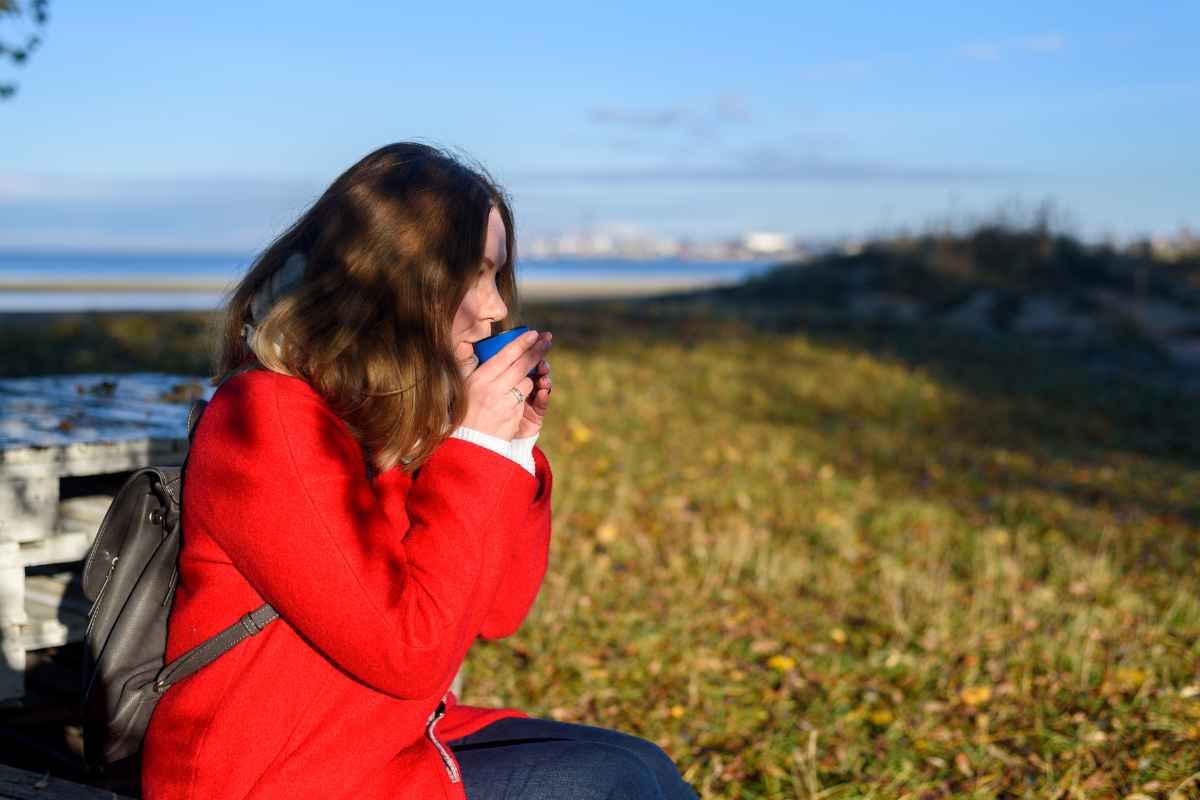
Locate a small, overlooked park within a ten-minute walk of home or work. Bring a thermos of tea, sit on a shaded bench, and spend five minutes naming everything you hear—a mindfulness reset disguised as rest.
If you’re with a child, turn it into a sound scavenger hunt (rustling leaves, footsteps, distant siren, chirp).
Bridge-to-Bridge River Walk
Pick two bridges or landmarks along a waterfront and walk between them at blue hour (the moody light just after sunset). Pause midway to watch reflections ripple. Keep your phone in airplane mode and let the rhythm of water do its work.
Rooftop Garden Rendezvous
Many museums, offices, or residential buildings host rooftop plantings or terraces. Visit at lunchtime with a book of poems or a sketchpad. The extra elevation swaps car noise for breeze, delivering a quiet pocket above the city.
Related reading: How to Start a Sustainable Food Garden: Grow Your Own Organic Produce
Community Garden Open Gate
Most community gardens post open hours. Stroll through, ask a gardener about a plant you don’t recognize, and offer to pull a few weeds in exchange for tips. You’ll learn the micro-ecology of your neighborhood and maybe leave with a sprig of mint.
Dawn Bird Loop
Choose a short park loop—20 minutes max—and walk it at dawn once a week. Birds are most active in the morning; you’ll hear calls you never notice at noon. Bring binoculars if you have them; if not, just look up. The ritual matters more than the gear.

Mini Itineraries That Fit Real Life
30 Minutes Before Work
Slip on walking shoes, tuck one curiosity in your pocket (“find three shades of green”), and do a quick tree-lined loop. Finish with box breathing on a bench—four counts in, four hold, four out, four hold. You’ve started the day with intentional calm.
Lunch-Break Reset
Walk to the nearest water—fountain, pond, canal, even a stormwater garden outside a civic building. Eat your sandwich while focusing on movement you can’t control: ripples, grasses waving, clouds drifting.
This loosens the grip of overthinking and makes the afternoon lighter.
After-Dinner Glow
Pick a car-free corridor or park perimeter and stroll until the streetlights flick on. End with a stretch routine under a tree: calf stretch on the curb, gentle neck rolls, a few slow squats. Tiny, consistent doses of motion add up to real well-being.

Mindset and Micro-Gear
Microadventures thrive on frictionless starts. Keep a small go-bag by the door: lightweight rain shell, reusable bottle, compact umbrella, a notebook, and comfortable shoes.
Add a tote for spontaneous finds—a book from a Little Free Library, a fallen leaf to press, or a bakery treat for the walk home. The goal isn’t to “do it right”; it’s to start now and let small rituals become second nature.
Safety, Comfort, and Accessibility
Choose well-lit routes and share your plan with someone if heading out at odd hours. If a space feels off, change course without apology. Use accessible paths when wheeling or walking with strollers; many park systems map these routes clearly.
If you’re new to solo outings, begin with daylight explorations or join group walks hosted by local nature orgs. Comfort matters: sunscreen, hat, and layers can turn a “maybe” into a yes.

Leave No Trace—City Edition
Urban nature is resilient but not invincible. Pack out trash, stay on paths to protect plant roots, and observe wildlife from a respectful distance. Skip feeding birds or squirrels—human snacks can harm them—and favor native plantings if you volunteer or garden.
Related reading:How to Start a Sustainable Food Garden: Grow Your Own Organic Produce Carbon Footprint Labels at the Supermarket: How to Use Them
A city that looks cared for invites more people to care in return.
Seasonal Sparks to Keep It Fresh
Spring: Buds and Birdsong
Trace the first leaves in a street-tree canopy or follow a cherry-blossom circuit. Bring a friend and trade three things you’re glad to be starting this season.
Summer: Shade and Water
Seek cool corridors—arboretums, river walks, shaded promenades. End microadventures with ankle-deep wading at a permitted splash pad or with a hydration ritual on a breezy stoop.
Fall: Color and Crunch
Map a leaf-peeping loop through neighborhoods with mature trees. Listen to the soundscape of dry leaves, then pick one color you noticed and carry it into your wardrobe or home decor as a memory token.
Winter: Crisp Air, Cozy Finish
Short days are perfect for twilight loops. Keep outings brisk and end with a warm drink window—the café bench that faces a planter, the bakery doorway with a view of a street tree—so the city feels inviting, not harsh.
Bring Others In (or Keep It Yours)
Some days you’ll want conversation; other days you’ll want quiet company with yourself. Try a microadventure club—three friends, rotating routes, 45 minutes door-to-door.
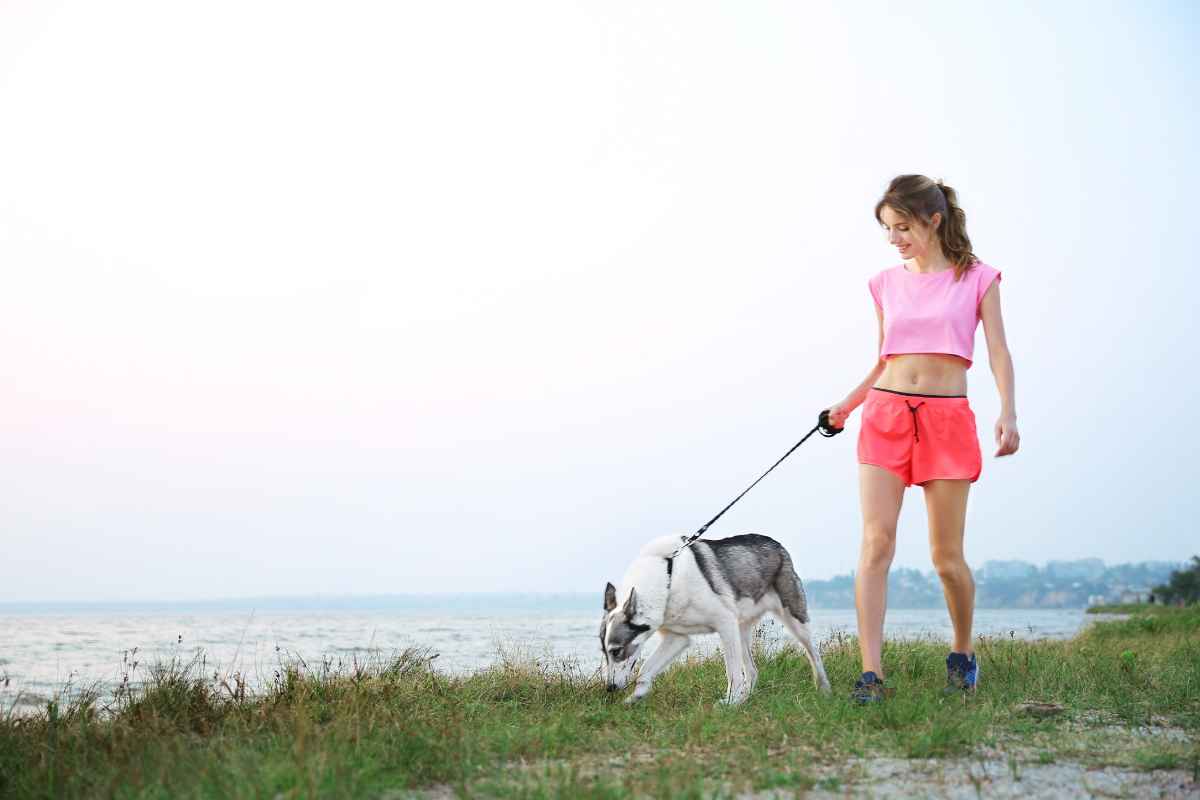
Families can build nature bingo cards for kids; dog owners can plan sniff-walks where the pace is set by curiosity, not steps per minute. Whether shared or solo, the key is consistency over spectacle.

Track the Tiny, Celebrate the Shift
Keep a two-line journal: date, route, one sensory detail. (“5/12—Canal path—smelled crushed mint near lock gate.”) Over time you’ll build a map of moments that redefines your city as a place you experience, not just traverse.
That identity shift is the real prize: you start to trust that restoration is always within reach.
Green Escapes in Your Own City
If adventure once felt like something you had to save up for, microadventures prove it’s something you can live inside of. Start with a five-minute detour, a tree you’ll visit again, a bench that catches morning light.
Let small explorations stack into a weekly rhythm, and notice how stress shrinks, creativity returns, and your city grows wilder, friendlier, and more yours. In the end, green escapes aren’t destinations—they’re a practice. And the best time to begin is today.
Did you find this post useful or inspiring? Save THIS PIN to your ECO Board on Pinterest! 😊
Related reading:How to Start a Sustainable Food Garden: Grow Your Own Organic ProduceCarbon Footprint Labels at the Supermarket: How to Use Them Family Camping the Low-Impact Way: Leave No Trace Made Easy