
Zero Waste Christmas Dinner: 10 Easy Ways to Cut Food Waste This Holiday
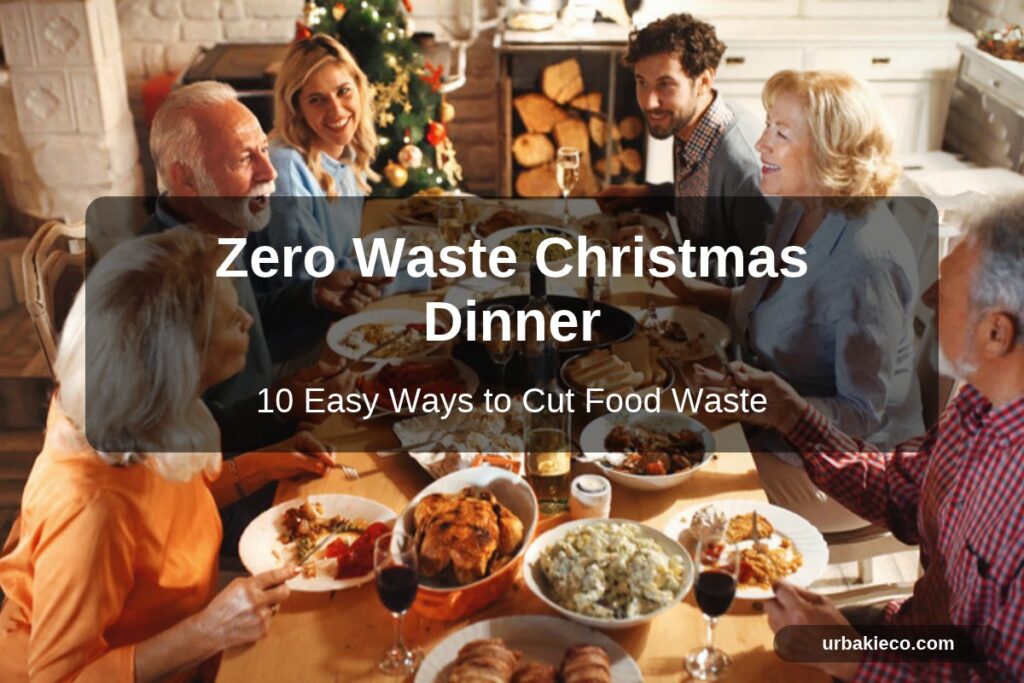
Christmas dinner is the biggest meal of the year for many families, and it often makes the biggest pile of waste too. Extra side dishes nobody touches, plastic wrap, paper napkins, a fridge full of leftovers that go bad before New Year. The good news: a zero waste Christmas dinner does not mean a smaller or less festive meal. It mostly means better planning and a few simple habits.
Here are 10 practical ways to cut food waste and packaging this holiday, from the shopping list to the last turkey sandwich.
Plan the Menu Before You Shop
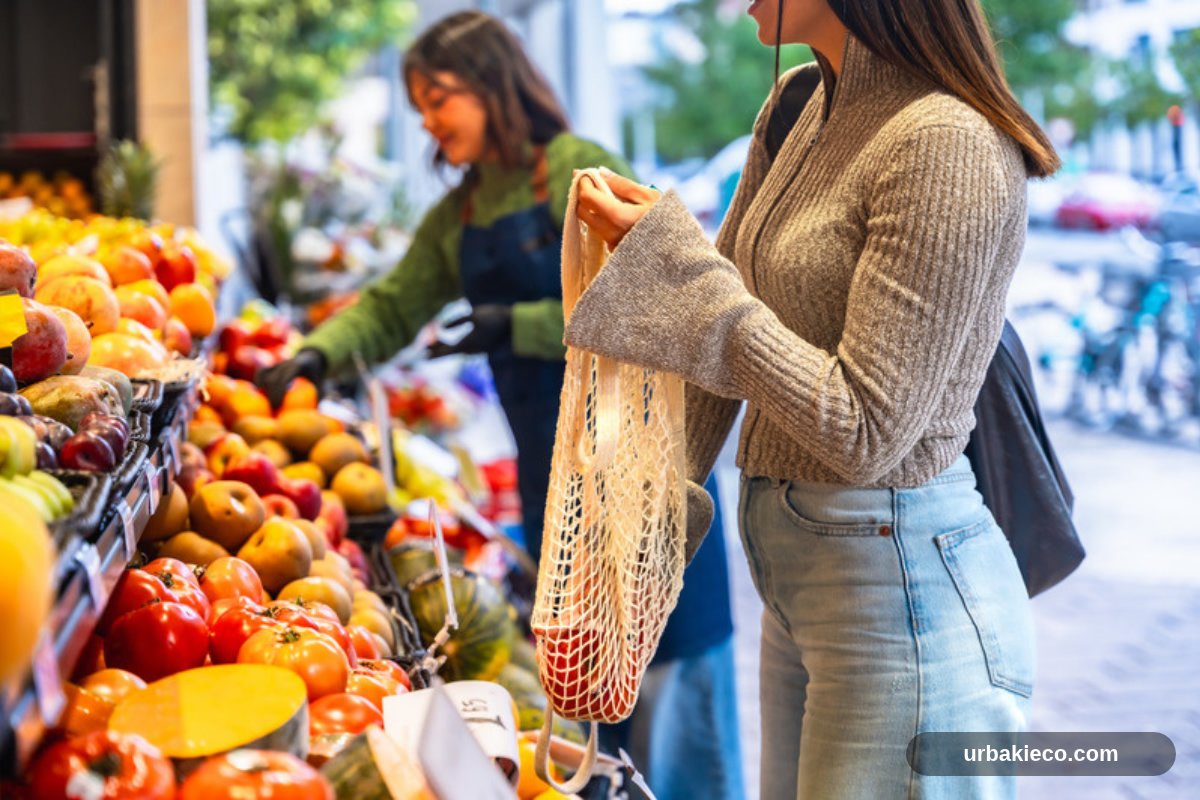
Most holiday food waste starts in the store. When you shop without a clear plan, it is easy to buy "just in case" food that ends up in the bin a week later.
1. Count your guests and plan portions
Write down how many people are coming, including kids, and plan one main dish, three or four sides and one or two desserts. More dishes means more leftovers, not happier guests. As a simple rule, plan about one pound (450 g) of bone-in turkey per adult, or a little less for a boneless roast, and smaller side portions when you serve many sides.
2. Shop your kitchen first
Before you write the shopping list, check the pantry, fridge and freezer. You may already have rice, flour, spices, nuts or frozen vegetables that fit the menu. Build the list around what you have, then buy only what is missing.
3. Buy loose and in bulk
Take reusable produce bags and a few jars or containers for bulk nuts, dried fruit and grains. Buy potatoes, carrots, Brussels sprouts and apples loose instead of in plastic trays. If you have a local farmers' market, it is often the easiest place to shop with your own bags. For more ideas, see our guide to sustainable meal planning.
Set a Zero Waste Christmas Table
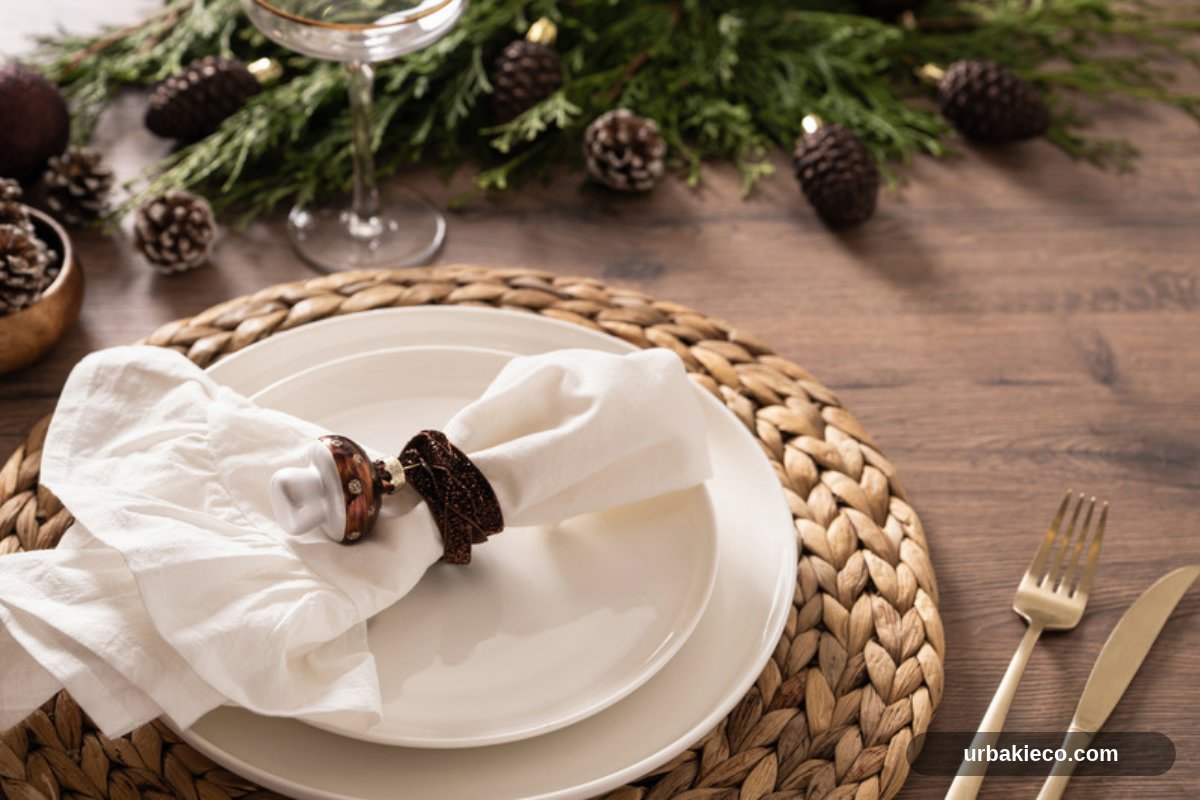
The table is where a lot of single-use items sneak in: paper napkins, plastic cups, disposable tablecloths and party crackers that last ten seconds.
Related reading: A Beginner's Guide to Composting at Home
4. Use what you already own
Real plates, glasses and cutlery are the simplest swap. If you do not have enough for a big group, borrow from family or friends, or pick up mismatched pieces at a thrift store. A mix of plates looks charming on a holiday table.
5. Choose cloth over paper
Cloth napkins and a fabric tablecloth can be washed and used for years. You can cut old shirts or sheets into simple napkins if you do not want to buy new ones. For decoration, use pine branches, pine cones, oranges, cinnamon sticks or candles. The fruit can be eaten later and the branches can go in the compost. Our post on DIY Christmas ornaments from recycled materials has more ideas for low-waste decorations.
6. Serve smart
Let guests serve themselves, or offer smaller first portions with seconds on the table. People take what they will eat, and the food left in the serving dishes stays clean and safe to store. Food that sits on a plate after someone has eaten from it usually has to be thrown away.
Store Leftovers Safely
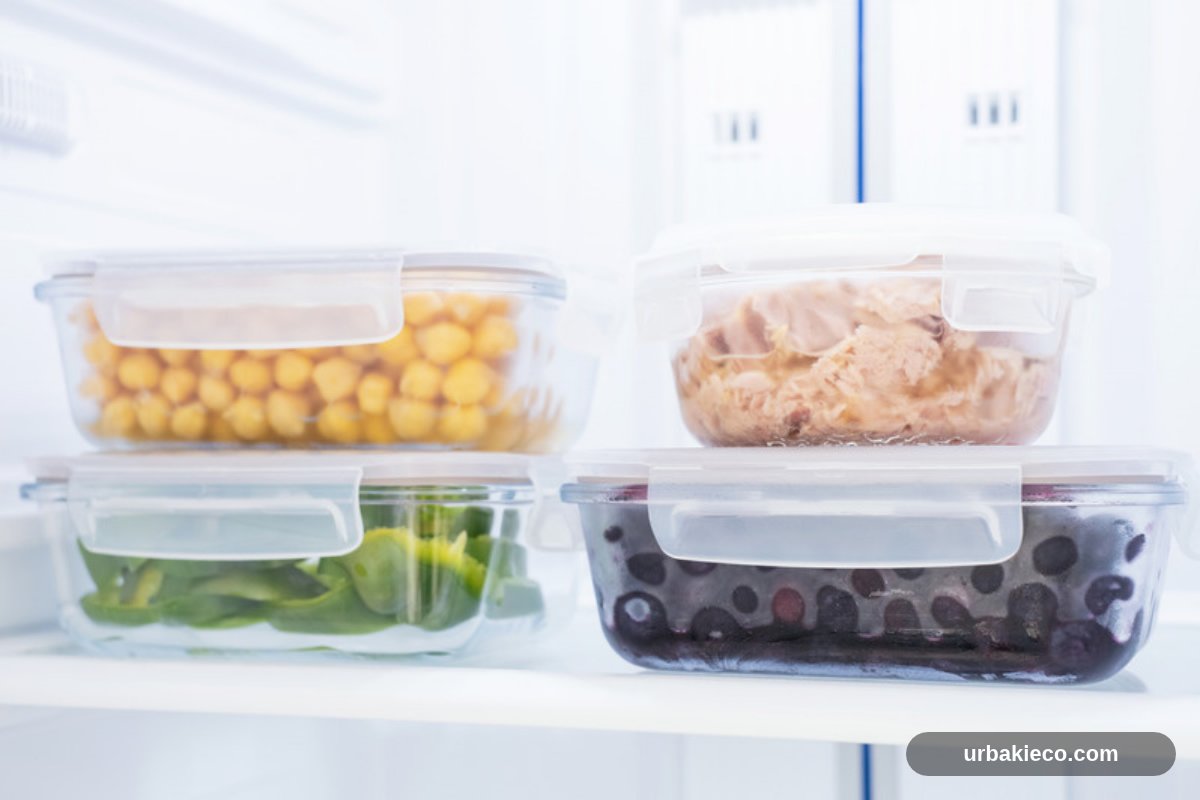
Leftovers are only zero waste if they get eaten. Good storage keeps them safe and makes them easy to use.
7. Cool and store food within two hours
Food safety comes first. The U.S. food safety agencies advise putting leftovers in the fridge within two hours of cooking and eating them within three to four days, or freezing them for longer storage (FoodSafety.gov). Carve meat off the bone and split big portions into shallow containers so they cool faster.
Glass containers, jars and plates covered with another plate work well instead of plastic wrap. Beeswax wraps are useful for cheese, bread and bowls, but not for raw meat. Label each container with the date so nothing gets forgotten at the back of the fridge.
8. Send guests home with food
Ask guests to bring an empty container, or keep a few clean jars ready. Packing a plate of leftovers for each guest is a kind gesture, and it means less food sitting in your fridge after the holidays.
Turn Leftovers Into New Meals
A Beginner's Guide to Composting at Home DIY Christmas Ornaments from Recycled Materials: 6 Easy Zero Waste Ideas
The day after Christmas is a great time for easy, cozy cooking. Here are some simple ways to use what is left.
9. Cook the classics again
| Leftover | Easy idea |
|---|---|
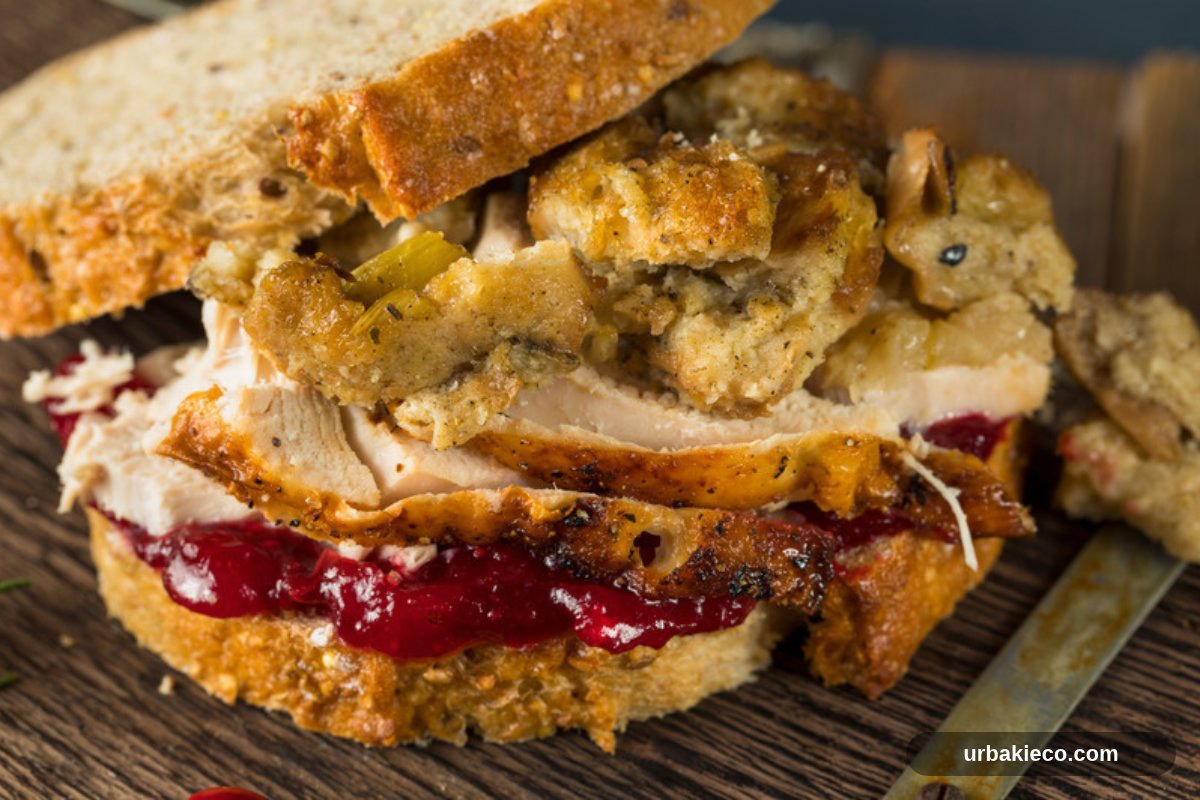
| Turkey, ham or roast | Sandwiches, soup, pot pie, fried rice or a quick curry |
| Bones and carcass | Homemade stock to freeze for winter soups |
| Vegetable peels and ends | Collect in a bag in the freezer for vegetable broth |
| Mashed or roast potatoes | Potato cakes, shepherd's pie or thick soup |
| Roasted vegetables | Frittata, pasta sauce or blended soup |
| Stale bread | Bread pudding, croutons or breadcrumbs |
| Cranberry sauce | Spread for sandwiches, swirl into yogurt or oatmeal |
| Cookies and cake | Crumble over yogurt or freeze for later |
Freeze single portions of soups and stews in jars, leaving space at the top for the liquid to expand. In January, you will be happy to have a ready-made meal on a busy evening.
Compost What You Cannot Eat
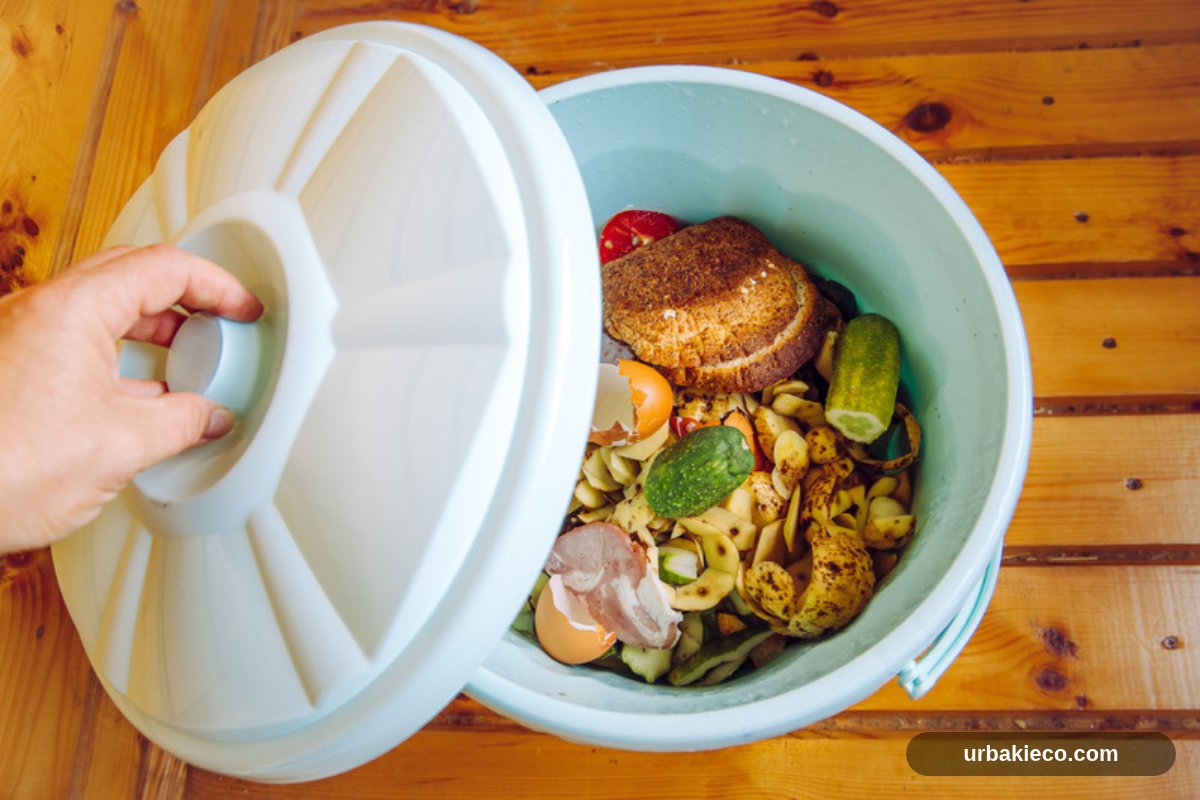
10. Close the loop with compost
Even with the best planning, there will be some scraps: onion skins, carrot tops, coffee grounds, tea leaves and fruit peels. Keep a small bin or bowl on the counter while you cook and empty it into your compost, a city food waste bin or a community garden drop-off.
Most home compost piles do best with fruit and vegetable scraps, coffee grounds, eggshells and plain paper. Meat, bones, dairy and greasy food are better kept out of a home pile, because they smell and attract animals. If you are new to it, our beginner's guide to composting food scraps walks you through the basics.
Quick Zero Waste Christmas Dinner Checklist
- Guest list and portions planned
- Pantry, fridge and freezer checked before shopping
- Reusable bags, jars and containers ready
- Real plates, glasses and cloth napkins on the table
- Natural decorations you can eat or compost
- Glass containers and labels for leftovers
- Jars ready for guests to take food home
- A counter bin for compost scraps
Frequently Asked Questions
How much food should I make for Christmas dinner?
Plan around one main dish, three or four sides and one or two desserts. If you serve many dishes, make each one smaller. Most people eat less than we expect when the table is full of choices.
How long are Christmas leftovers safe to eat?
Put leftovers in the fridge within two hours and eat them within three to four days. If you will not finish them in time, freeze them in small portions on the first or second day.
Can I compost Christmas dinner scraps?
Yes, fruit and vegetable scraps, peels, coffee grounds and eggshells are great for compost. Keep meat, bones, dairy and oily food out of a home compost pile. Many city food waste programs accept them, so check your local rules.
You Might Also Like
- Zero Waste Holidays: How to Celebrate Sustainably All Year Round
- Eco-Friendly Christmas: Sustainable Ideas for Decorations, Gifts, and More
- How to Start a Zero Waste Kitchen: Tips and Essentials
A zero waste Christmas dinner is not about being perfect. Pick two or three of these ideas this year, see what works for your family, and build on it next year. Less waste, less stress and more good food to enjoy after the holidays.
Related reading:A Beginner's Guide to Composting at HomeDIY Christmas Ornaments from Recycled Materials: 6 Easy Zero Waste Ideas 30-Day Zero Waste Challenge: How to Reduce Your Waste in One Month


You may also like